What You Need to Know About Tax Liens and Small Business Loans in 2026
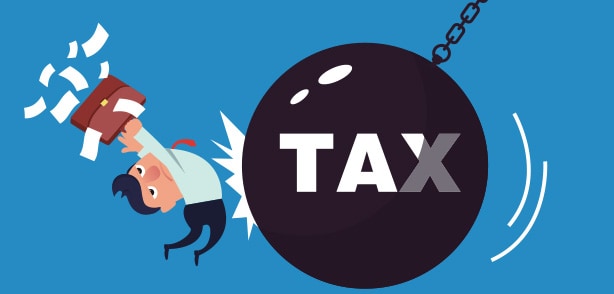
If you're applying for business financing in 2026, an IRS tax lien can halt your growth plans. Here's what every business owner needs to know about tax liens, loan approvals, and your options.
Mike opened his health-food restaurant 25 years ago and paid off his mortgage early. But after pandemic setbacks, he fell behind on taxes, ignoring warnings to file and arrange payment. Now the IRS has placed a federal tax lien on his restaurant, claiming the building and all its contents. Decades of hard work at risk. Here's how to avoid Mike's fate.
How Federal Tax Liens Impact Your Business Financing
A tax lien enforces the government's legal right to collect payment before your other creditors. When the IRS files a Notice of Federal Tax Lien, they establish first position, dramatically affecting your vendor and lender relationships, borrowing capacity, working capital access, and company valuation.
Since 2017, the three major credit bureaus removed tax lien data from credit reports. However, tax liens remain public record. While the lien won't directly lower your credit score, lenders performing due diligence will discover public filings in county records and liens attached to property or accounts.
Think about it from a lender's perspective: if you've fallen behind on paying the federal government, an entity with extraordinary collection powers, what's their risk? Even if you qualify for financing with an active lien, expect interest rates five to 15 percentage points above standard rates, stricter loan terms with accelerated payment schedules, lower loan amounts, and additional personal guarantees. These conditions can further strain your ability to satisfy both the IRS and your new creditor.
Understanding IRS Tax Lien Thresholds in 2026
The IRS doesn't file liens automatically. Under the Fresh Start Initiative, they typically avoid filing for debts under $10,000, though exceptions exist for taxpayers with non-compliance history, those attempting to hide assets, or debts involving trust fund taxes like payroll withholdings.
Between $10,000 and $50,000, the IRS will likely file unless you enter a payment agreement. You can often avoid filing by establishing a Direct Debit Installment Agreement and maintaining compliance. Amounts over $50,000 almost always trigger a lien, even with a payment plan. At this level, the IRS prioritizes securing its position, and your business faces increased scrutiny. These thresholds apply to total unpaid federal taxes including penalties and interest.
Two Pathways to Securing Business Loans Despite a Tax Lien
Recognizing how liens impede operations, the IRS offers two mechanisms to help businesses access financing.
Subordination removes the government's first-priority status, allowing another creditor to move ahead of the IRS. You apply for subordination approval, the IRS evaluates whether it facilitates tax collection, and if approved, your new lender gains priority while you remain liable for the full debt. The IRS grants subordination when financing enables you to pay down the tax debt, increases the value of property securing their interest, or facilitates business operations generating tax revenue.
Withdrawal removes the public notice of the lien, though you remain responsible for the balance. This is often the best-case scenario. The public filing disappears from county records, lenders won't discover it during due diligence, your business competes for financing on better terms, and your reputation remains intact.
To qualify for withdrawal, enter into a Direct Debit Installment Agreement, owe $25,000 or less, make three consecutive direct debit payments, remain current on all obligations, and request withdrawal using Form 12277. Even with debts between $25,000 and $50,000, withdrawal may be available if you demonstrate it facilitates collection.
Can You Avoid a Tax Lien Altogether?
Yes. The IRS prefers cooperative taxpayers over costly enforcement. If you can't pay on time, proactively establish alternatives. The Streamlined Installment Agreement for debts under $50,000 lets you apply online with minimal documentation, repay over 72 months, and offers automatic approval if you meet basic criteria. For amounts over $50,000, the Non-Streamlined Agreement requires detailed financial information and IRS review of your ability to pay.
The IRS also offers Currently Not Collectible status that temporarily suspends collection during hardship, Offers in Compromise to settle debt for less than owed (approximately 35% acceptance rate), and Temporary Delay of Collection for six to 12 months during financial difficulty. Note that penalties and interest continue accruing during these arrangements.
Take Action Before the IRS Takes Control
Failing to respond transforms a manageable tax issue into a business-threatening crisis. Within 30 days, respond to all IRS notices, consult with a tax professional, gather financial documentation, assess your payment capacity, and contact the IRS. Over the next 30 to 90 days, file all delinquent returns, apply for a payment agreement, request subordination or withdrawal if needed, communicate with lenders proactively, and document everything.
Long-term, maintain payment compliance, stay current on new taxes, monitor your lien status, rebuild business credit, and pursue financing confidently once issues are resolved. You maintain important legal rights including Collection Due Process hearings within 30 days of filing, Taxpayer Advocate Service assistance, innocent spouse relief if applicable, and a 10-year statute of limitations on collection.
2026 Tax Lien Quick Facts
Americans owe over $670 billion in unpaid federal taxes. The IRS files fewer liens overall due to Fresh Start Initiative. Direct Debit Installment Agreements significantly reduce lien filing risk.
Critical Thresholds: Under $10,000 (liens rarely filed), $10,000-$50,000 (lien likely without payment agreement), over $50,000 (lien almost certain), $64,000+ (risk of passport revocation).
Protect Your Business: Act Now
Tax liens don't have to destroy your financing options. By understanding IRS thresholds, responding proactively to tax obligations, and leveraging subordination or withdrawal options, you maintain access to the working capital your business needs. The key is action—educating yourself about each option gives you the best chance of returning to business as usual.
Important Disclaimer: This article is for educational purposes only and not tax, legal, or financial advice. Fora Financial does not provide tax, legal, or accounting advice. Tax laws are complex and change frequently. Consult with a qualified CPA, Enrolled Agent, or tax attorney for personalized advice tailored to your situation.
Since 2008, Fora Financial has distributed $5 billion to 55,000 businesses. Click here or call (877) 419-3568 for more information on how Fora Financial's working capital solutions can help your business thrive.